Where to start on a product sheet
Identify whether a dimension describes a piece, a sheet or a slab. Check the unit and record material, finish and colour separately. For slip or wear requirements, request a report that identifies the selected finish.
Match the specimen identification, finish, test method and test conditions on the report to your shortlisted product. If only a series is named, ask which formats and finishes the report covers.
How to read product specifications
A product page records the name, form, dimensions, thickness, material, finish, colour and application imagery. Check whether the entry describes a finished product, a sample or a fitting before comparing figures in the same units.
Name & model
Save the product link. Similar names can cover different formats, so include the chosen size when requesting a sample.
Product form
Identify the unit supplied: an individual piece, a sheet, a slab or a fitting. Compare it with the unit in the quote.
Dimensions
Identify the part being measured, then record its length, width and unit together.
Thickness
Find the thickness for the format you intend to order. At an edge or floor junction, ask for the corresponding cross-section.
Material
Read the named material. A stone pattern you like can be made in several materials.
Finish
Note the finish, then request a sample or a technical report for that particular surface.
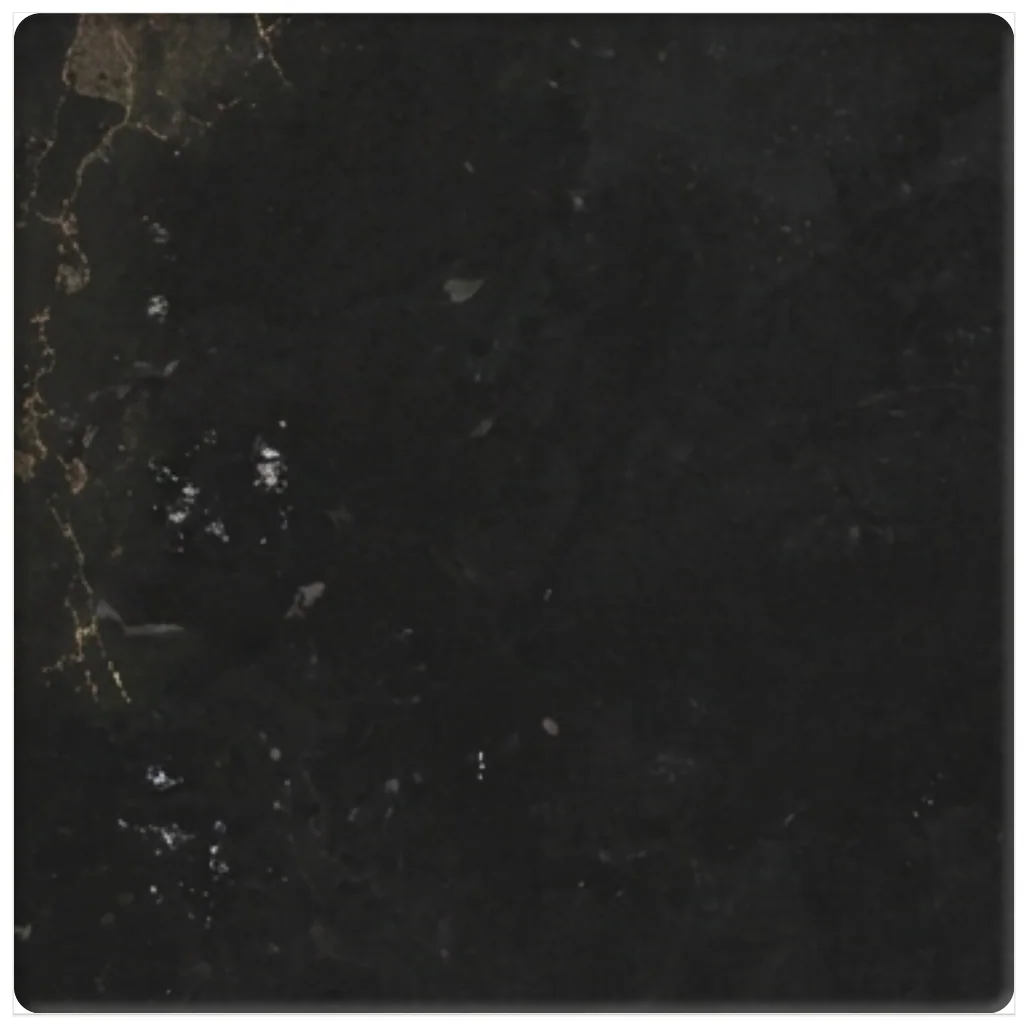
Colour
Compare samples under the same light and record your selected colour on the enquiry.
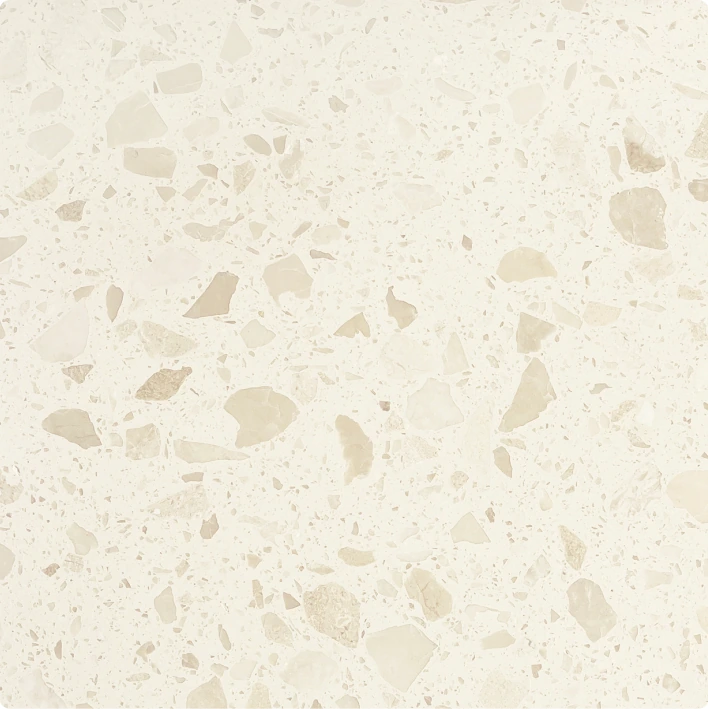
Application views
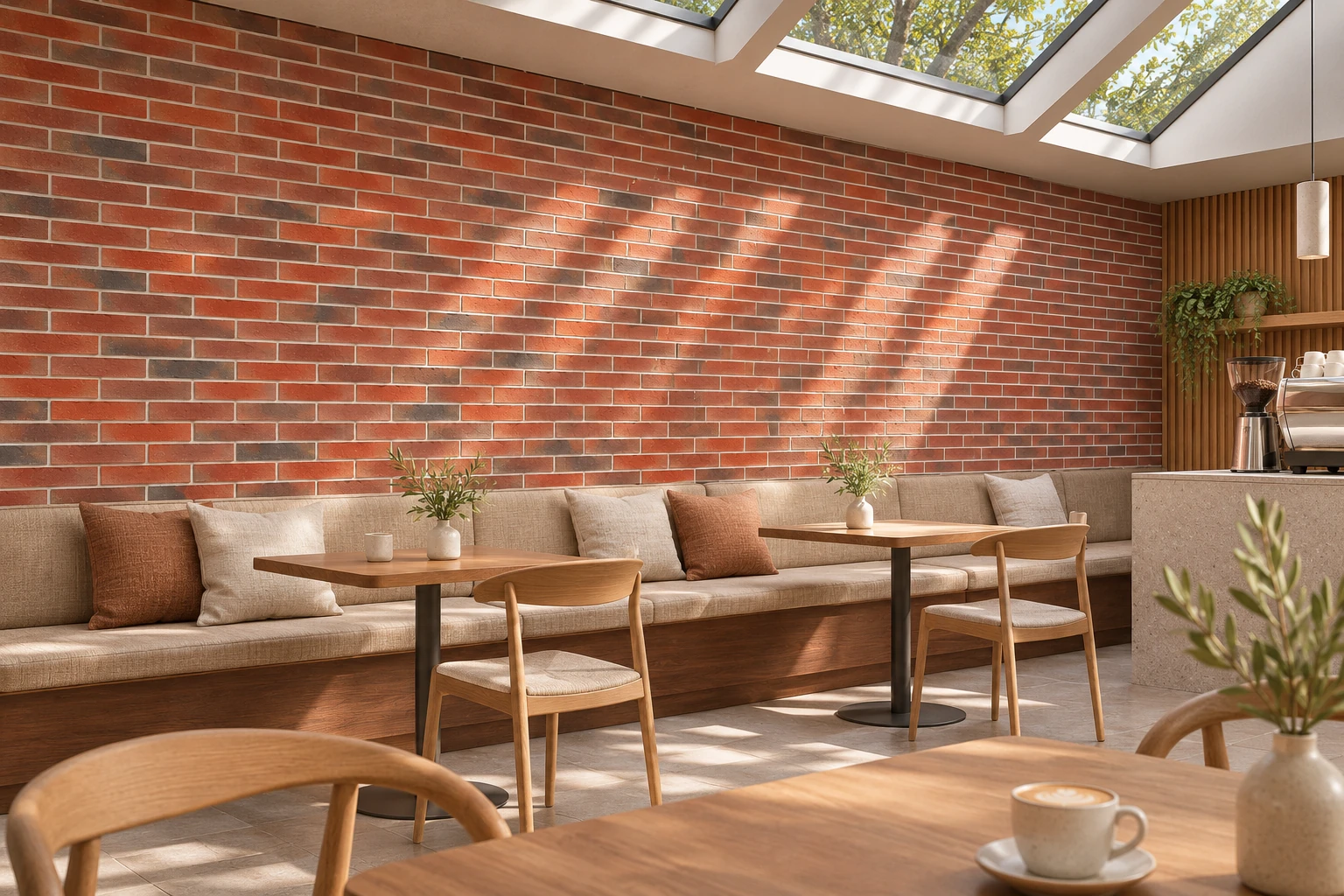
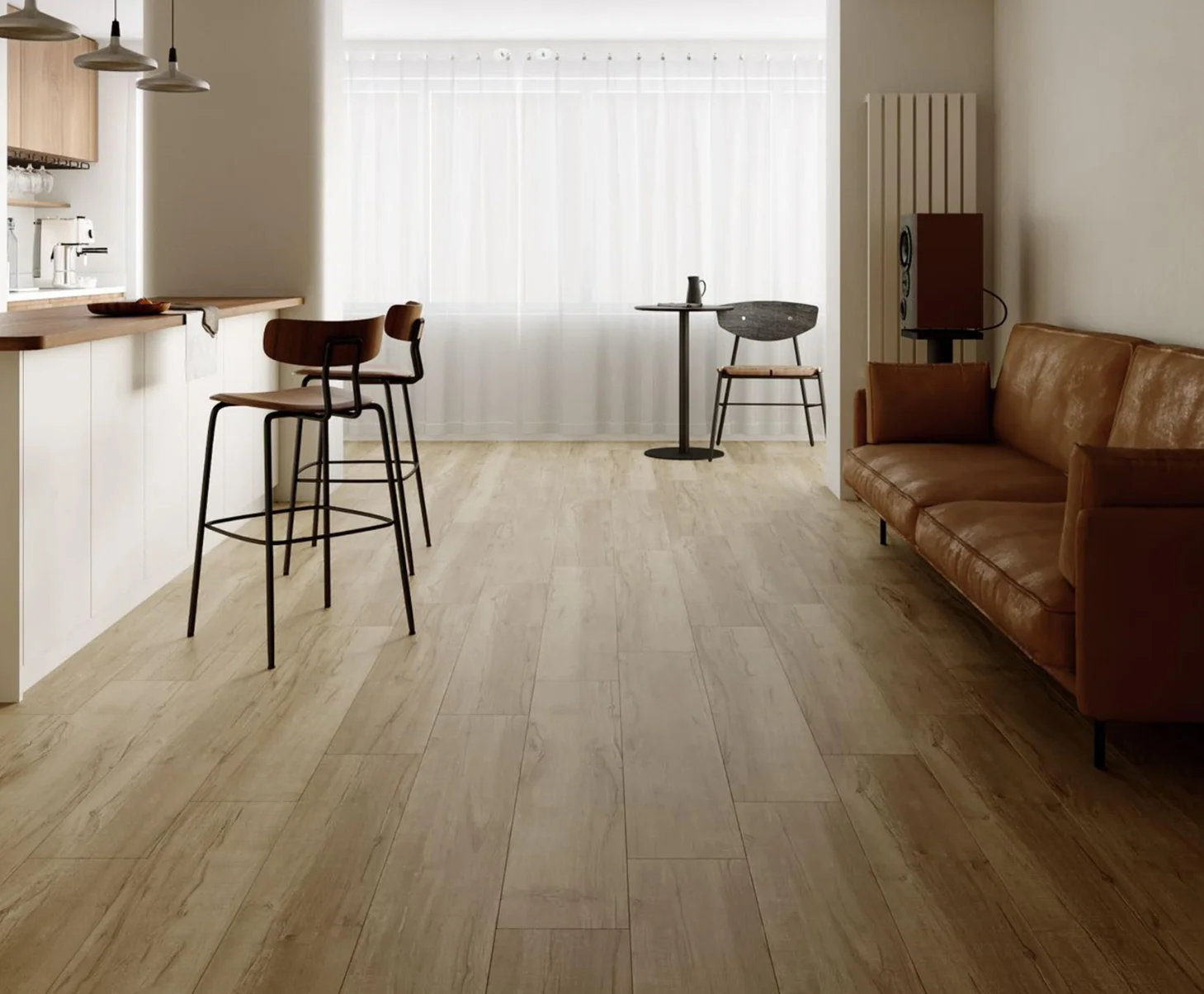
Use a room view for scale and direction of the pattern. Check colour and detail against a photograph or sample of the actual product.
How do you compare two materials?
One set of dimensions may describe a single tile, another a sheet of mosaic. Four examples from the catalogue show how to read a finish, identify a material, compare sizes and request a quote from a sample.
What does a finish name tell you?
Terms such as matt or textured describe aspects of a product’s surface. Compare the wording alongside images and information for the particular item.
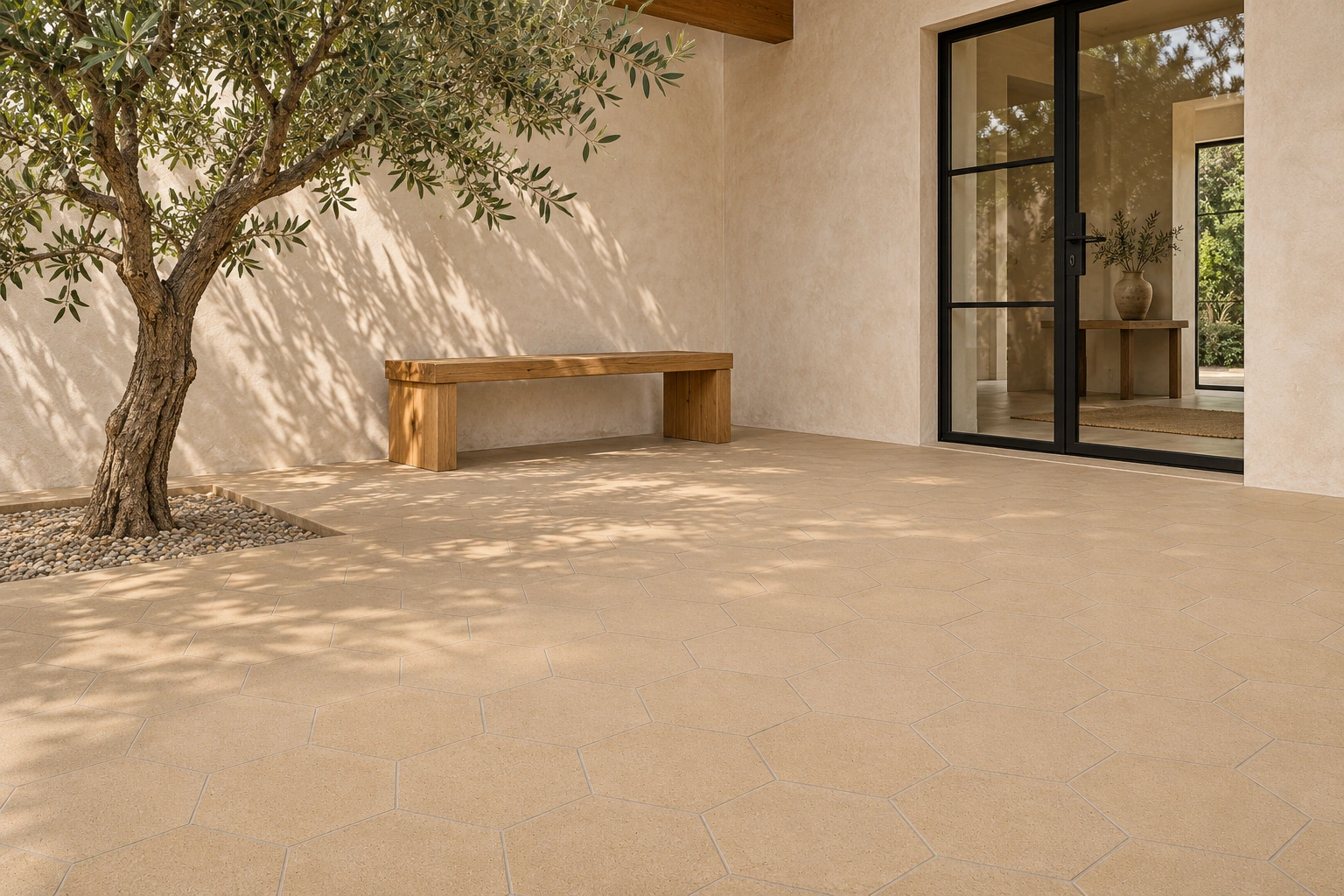
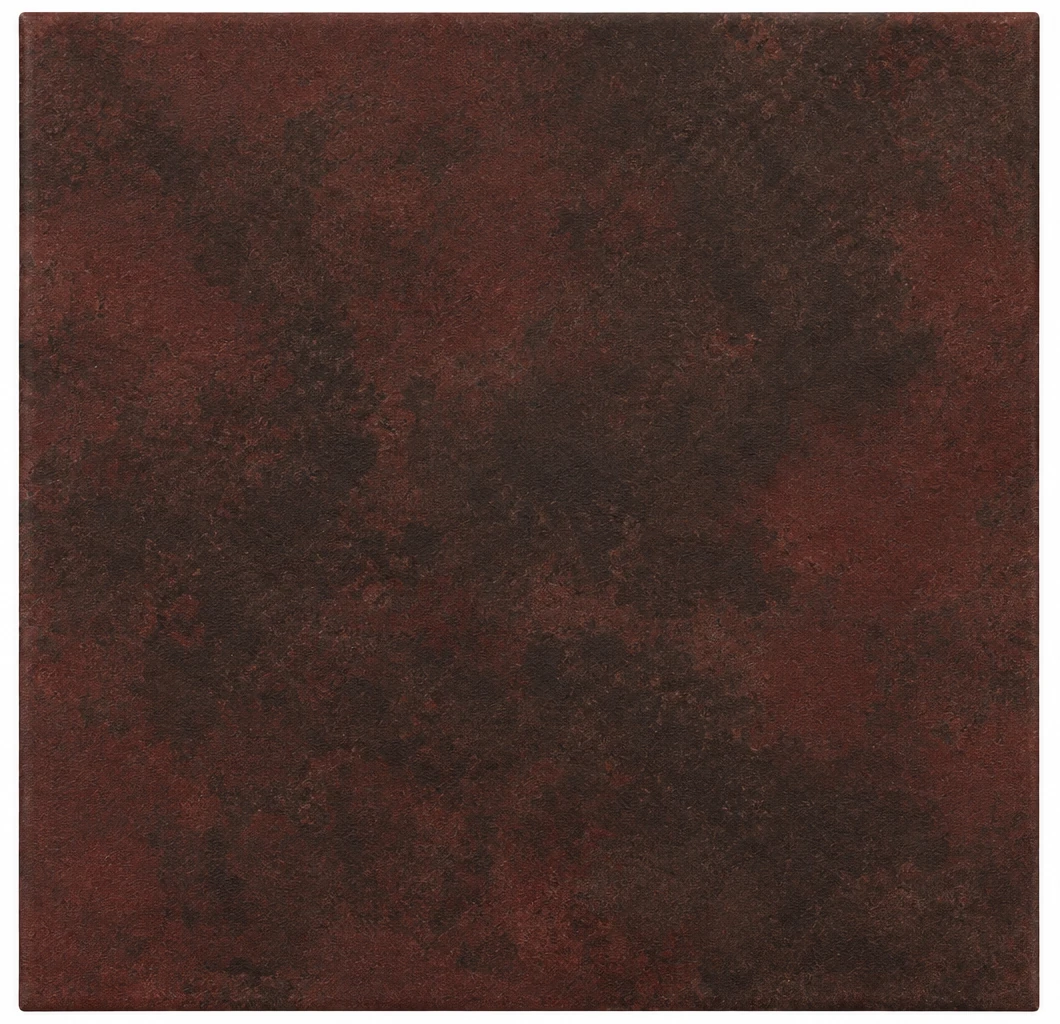
Lotus Leaf Pattern · Brown has a dry-granule finish. Name the finish when requesting a sample. For a floor that is frequently wet, ask for slip-test information covering the selected finish and intended conditions.
Stone patterns, natural stone and panels
A stone pattern describes an appearance; natural stone and other panels refer to material categories. Similar-looking entries may still represent different product forms.
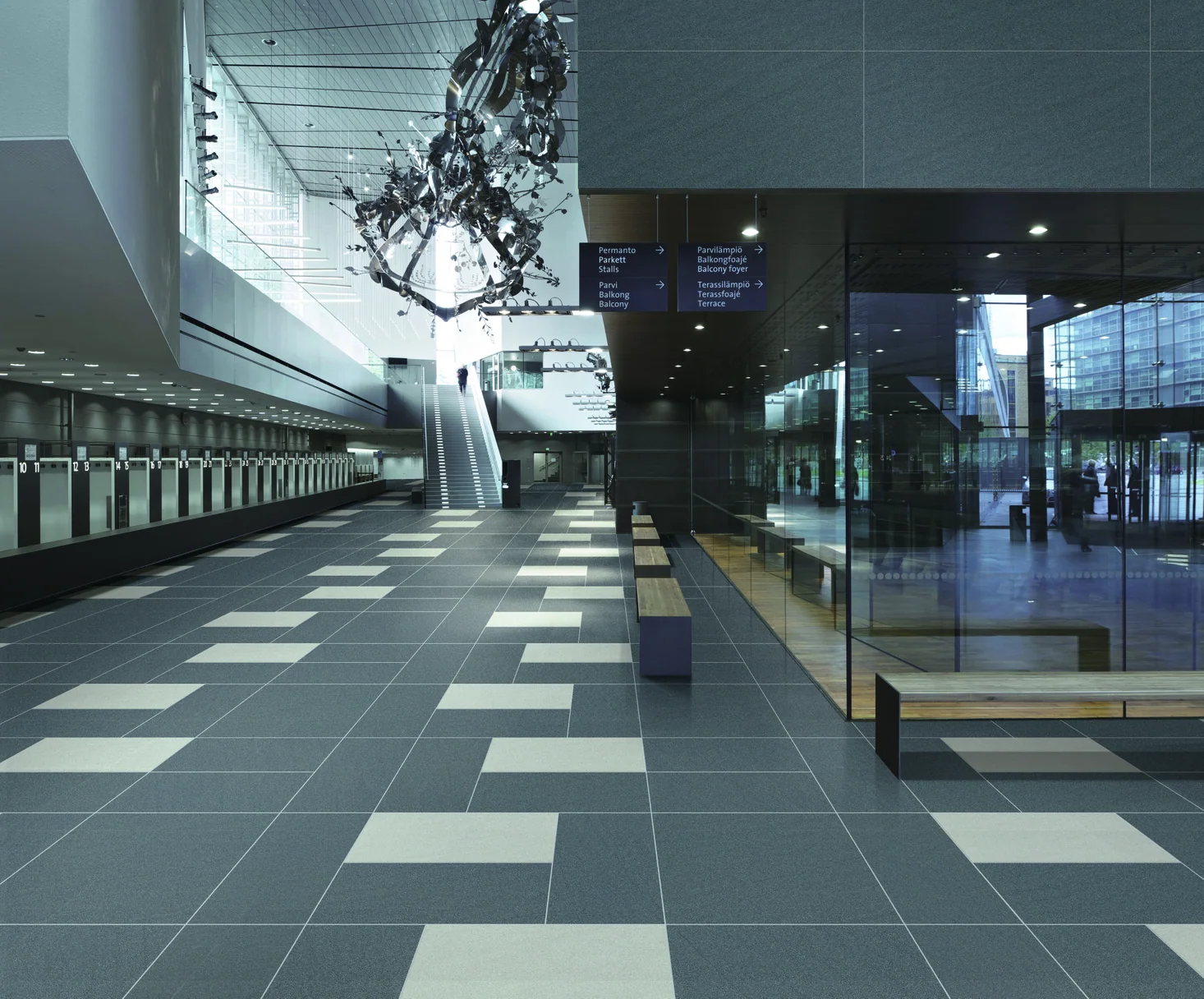
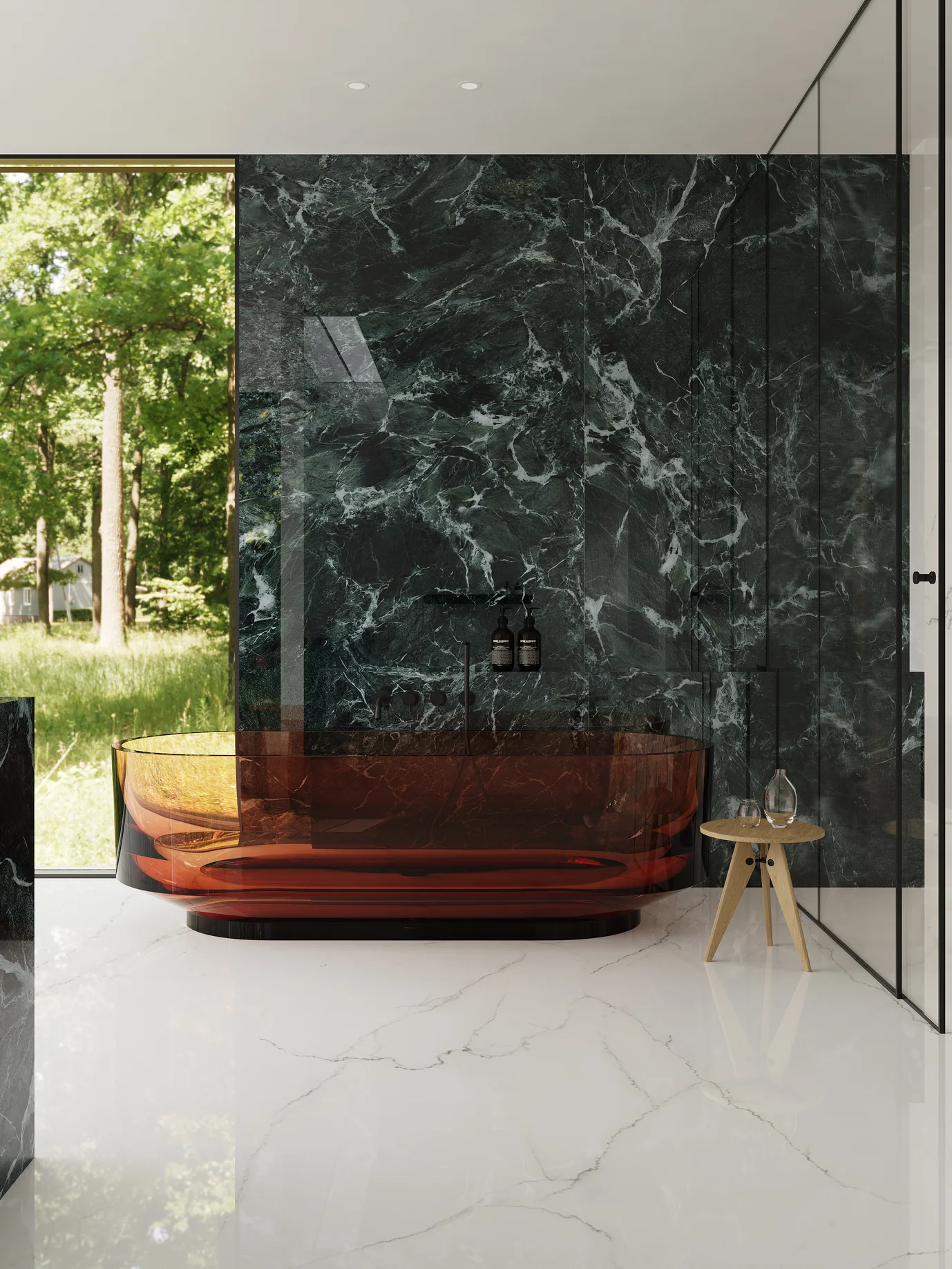
Palace Black · Cut-to-size Slab is made from natural limestone. Cut-to-size describes its form and limestone its material. When comparing a similar stone-look tile, record both materials, thicknesses and edge details.
Compare dimensions on the same basis
Record what a dimension measures, its unit and the product form. Piece, sheet, panel and pattern dimensions should not be treated as interchangeable.
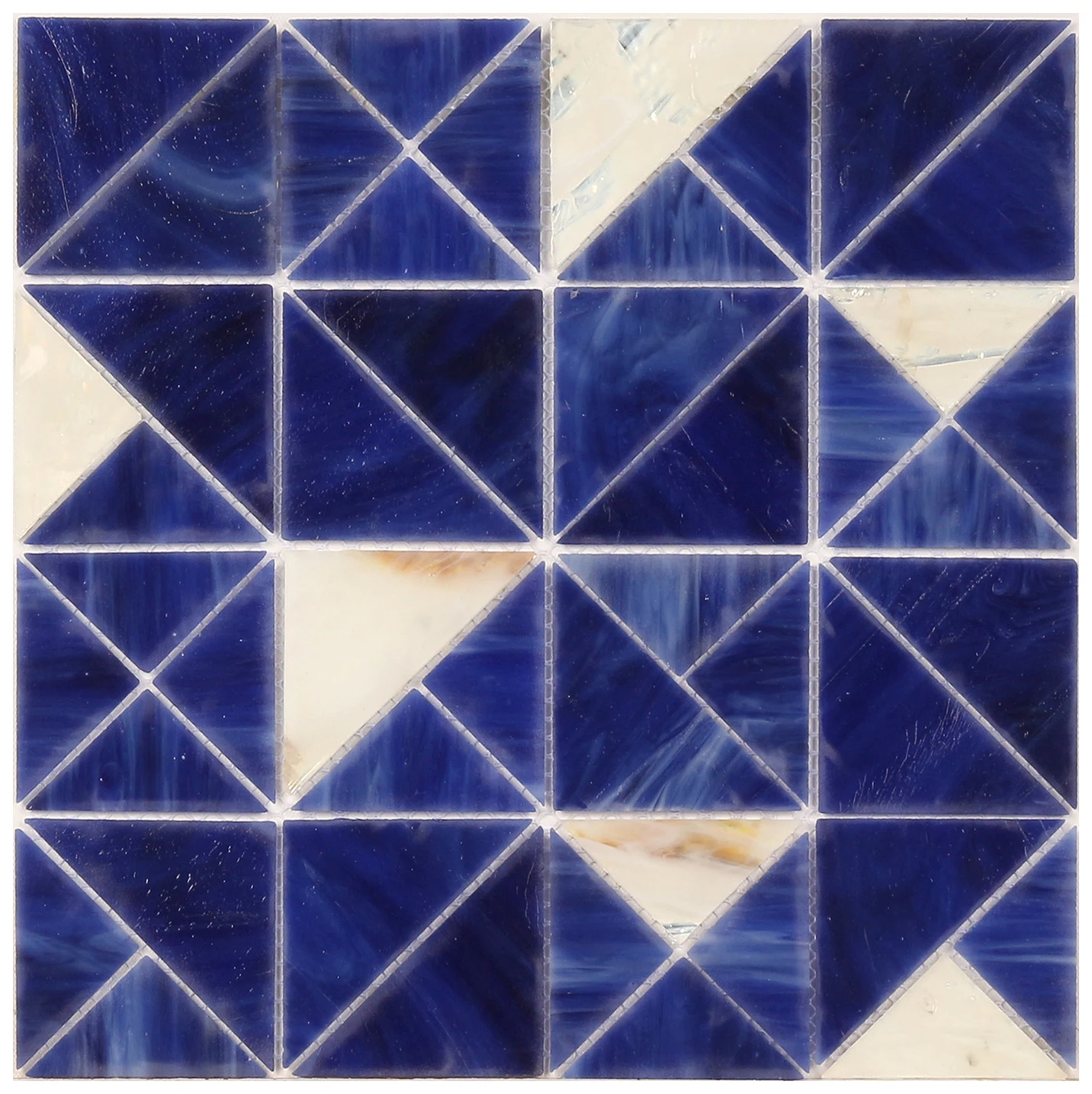
For Zeli · Blue-grey Gloss Square Mosaic Sheet, the chip determines the scale of the pattern. The mounted sheet is the unit to measure for coverage. Ask whether the quote is per sheet, box or square metre and how many sheets each box contains.
Distinguish samples from product entries
The catalogue includes products as well as sample designs, pattern templates and component pieces. A sample can illustrate colour or a combination, but it has a different role from a complete product entry.
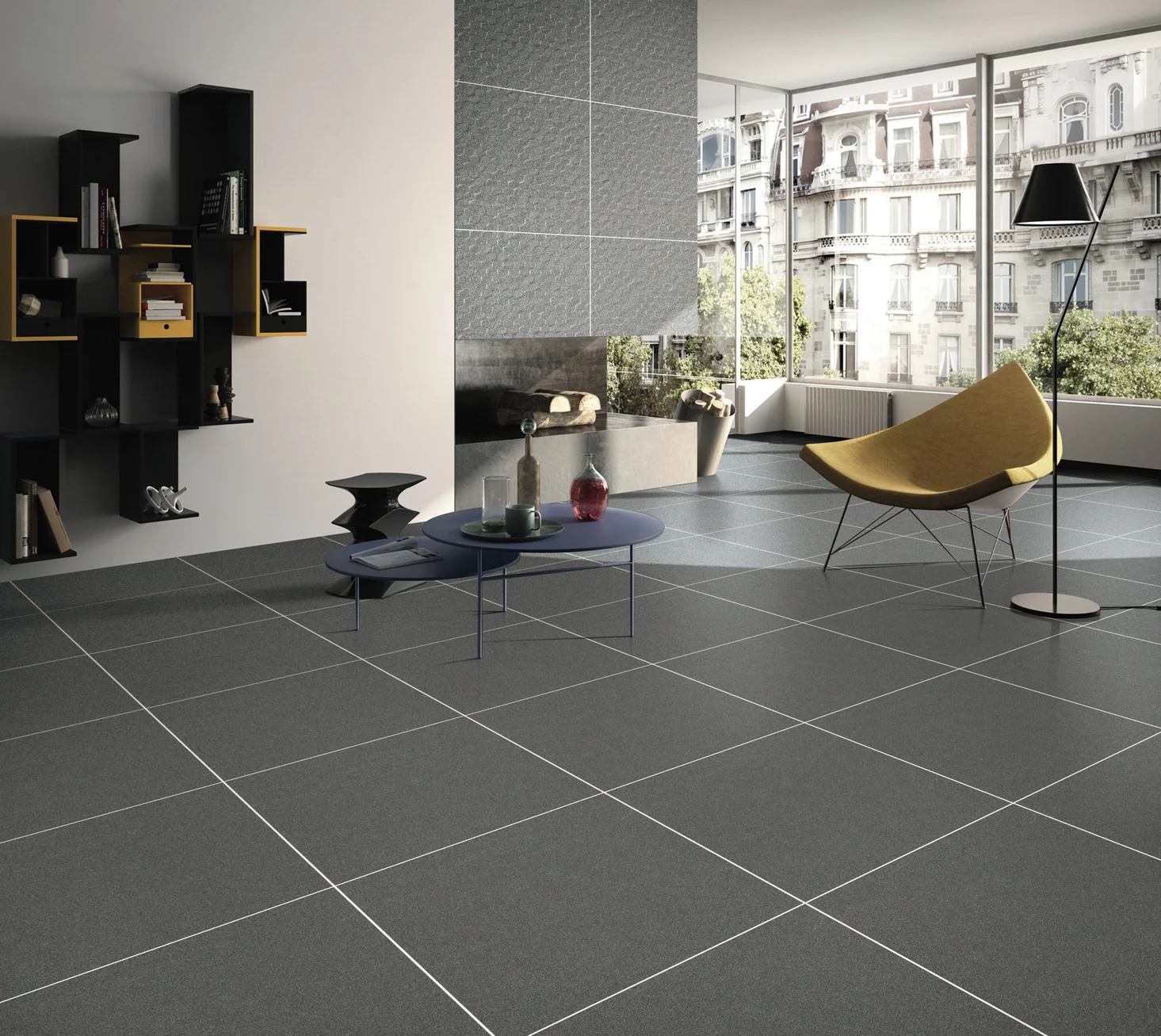
Plain Gravel · Sand Brown Square Grid Sample shows the pattern and colour. Its material is listed as cement and its size still needs confirmation. Ask whether the quote covers a sample, one component or the full composition, and request its dimensions, selling unit and list of included pieces.
Applications

Wall & floor tiles

Slabs & large formats

Wood-look tiles